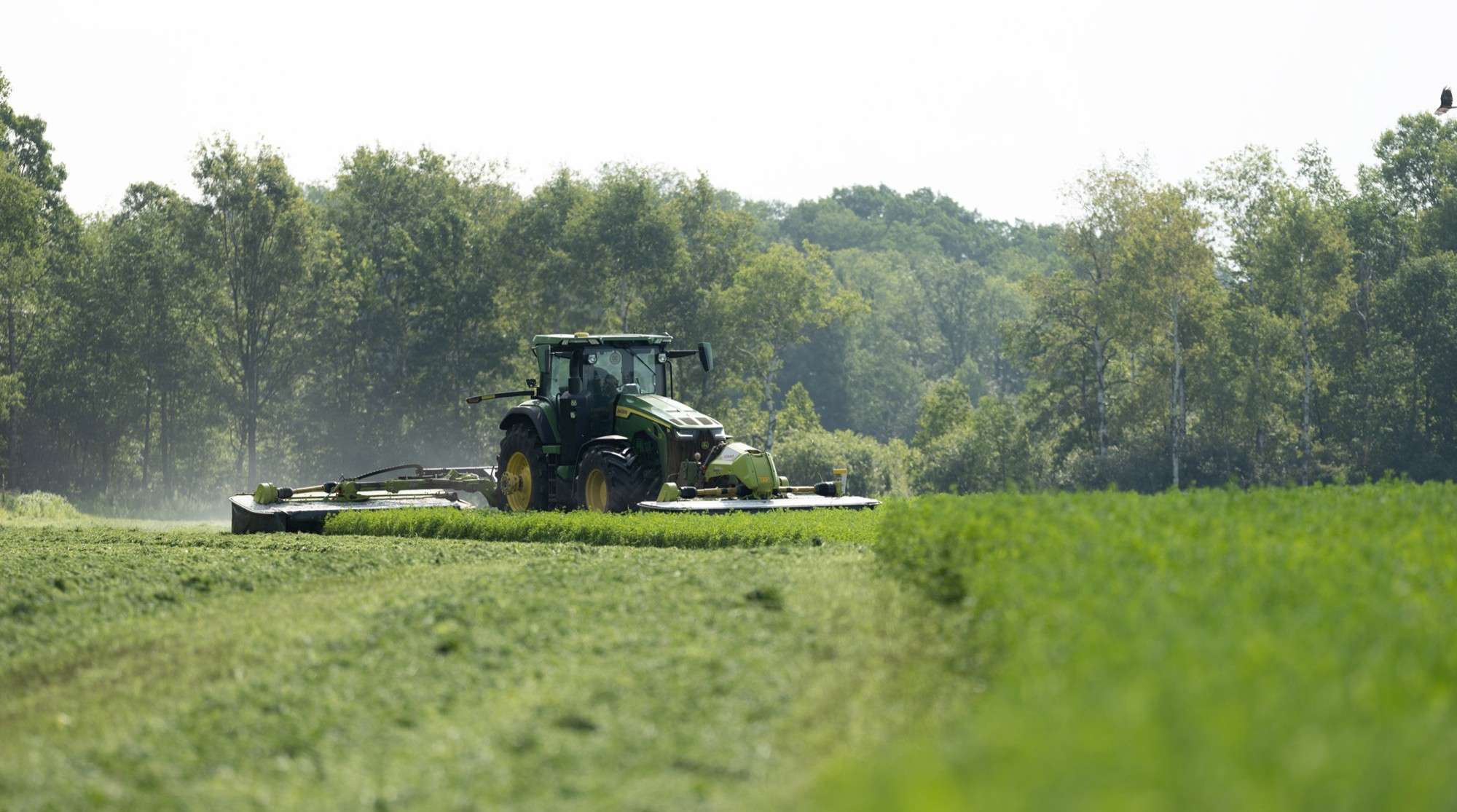
When reflecting on your alfalfa harvest, dairy producers and their nutritionists begin to evaluate their inputs for the next growing season. Alfalfa is one of the biggest levers a dairy has, and for operations growing their own forage, the quality of that alfalfa carries even more weight. When building a ration, corn silage is often the default, and alfalfa can get overlooked.
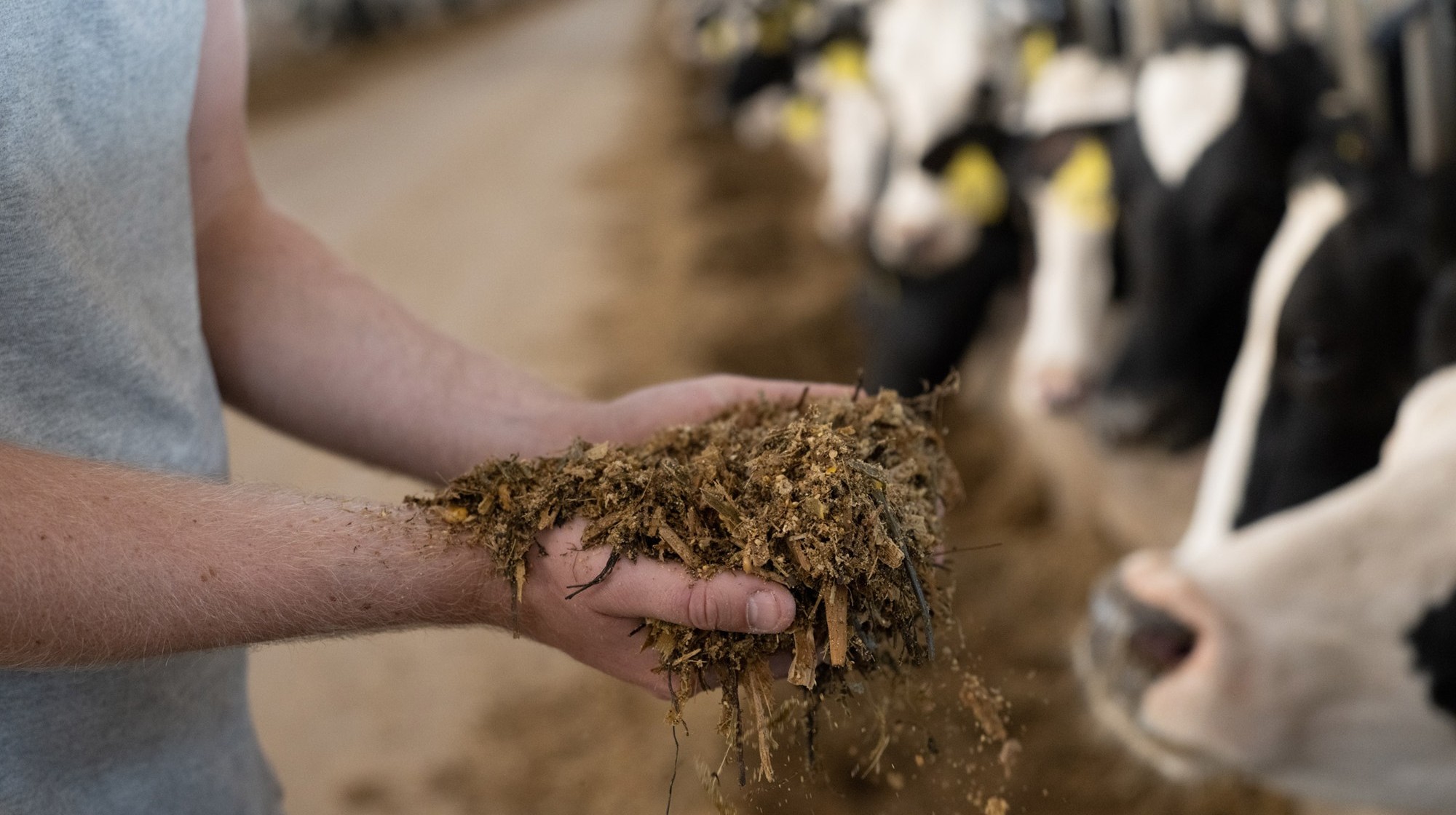
But when it comes to feeding your cows, alfalfa contains highly digestible fiber. The more digestible the fiber, the better the rumen functions, and a well-functioning rumen helps support intake and milk production.³,⁴
How Reduced-Lignin Alfalfa Improves Digestibility
Lignin is the structural material that stiffens the alfalfa plant as it grows, and it's the one part of the plant that rumen microbes can't break down. It also binds to other parts of the plant, making the surrounding fiber harder to digest.1 So the more lignin a forage carries, the less digestible it is for the cow.
That’s where HarvXtra® Alfalfa comes in – a reduced-lignin alfalfa that is bred to produce less lignin in the stem, which improves fiber digestibility. In a series of trials, HarvXtra Alfalfa delivered a 14 to 20% improvement in neutral detergent fiber digestibility (NDFd) across cuttings compared with conventional varieties harvested at the same stage of maturity.2
That slower lignin buildup also gives you more room at harvest. Because lignin accumulates as the plant matures, HarvXtra holds its quality, so you can harvest on your normal schedule for high quality, or delay a cutting, to help add tonnage while maintaining digestibility.1
What Better Digestibility Does in the Cow
Inside the rumen, that improvement matters. Fiber digestibility influences passage rate, microbial fermentation and nutrient levels the cow can draw from her feed.3 As digestibility rises, cows can extract more energy from every pound of forage.4 Alfalfa contributes the effective fiber that helps keep the rumen working as it should.3 In high-producing herds, even modest gains in NDFd have been linked to measurable increases in dry matter intake and milk production per cow per day.4
Where It Pays Off in the Ration
This is where the ration math comes back around. When forage quality slips, a dairy operation can make up the difference with more purchased protein and supplemental energy. When it improves, that reliance can ease as more of the nutrition comes from the forage you already grew.5
The Bottom Line
As feed costs move and margins tighten, forage quality becomes a strategic asset rather than just a line item.3 If you're weighing what your alfalfa really contributes to the ration, start with its fiber digestibility — and talk with your nutritionist about whether reduced-lignin genetics could help you get more from your alfalfa. Have questions about reduced-lignin alfalfa for your operation? Get in touch.
1University of Minnesota Extension article, “Low-Lignin Alfalfa Can Improve Fiber Digestibility of Dairy Cow Diets,” on how lignin concentration affects neutral detergent fiber digestibility and harvest timing.
2Data from Forage Genetics International trials comparing HarvXtra Alfalfa with Roundup Ready Technology 2017 FD4 commercial varieties to FD4 commercial checks, seeded 2013 and harvested 2014–2016 in Boone, IA; Mt. Joy, PA; Nampa, ID; Touchet, WA; and West Salem, WI.
3Mertens, D.R. “Creating a System for Meeting the Fiber Requirements of Dairy Cows,” Journal of Dairy Science, 1997.
4Oba, M., and M.S. Allen. “Evaluation of the Importance of the Digestibility of Neutral Detergent Fiber from Forage: Effects on Dry Matter Intake and Milk Yield of Dairy Cows,” Journal of Dairy Science, 1999.
5Weiss, W.P., and N.R. St-Pierre. “Economics of Forage Quality for Dairy Cattle,” Journal of Dairy Science, 2009.